Turner Institute for Brain and Mental Health
Launched in July 2019, the Turner Institute for Brain and Mental Health is the result of a transformational gift by the late David Winston Turner to detect and treat mental health conditions, improving the lives of millions of sufferers.
The vision of the Turner Institute is to become the leading brain and mental health research institution in the Asia-Pacific, with a global footprint. Research at the Turner Institute is represented by three overarching themes – Developing Well, Living Well, and Ageing Well. We work side-by-side with our communities to build resilient, healthy brains early in life and to develop tools to promote healthy lifestyles and maintain brain health as we age.
Addiction research at the Turner Institute
The Addiction and Mental Health research program at the Turner Institute is working to understand fundamental brain processes that underpin mental ill-health, such as substance abuse, problem gambling, depression, anxiety and compulsive eating. We then translate these findings into clinical, lifestyle and technology-based interventions and treatments that actually work, and are cost-effective and accessible. Much of this work is undertaken at our purpose-built next-generation mental health research facility, BrainPark.
At the same time, we are investigating the interplay of neuroscience and society, as well as ethical treatment and research. We work across academia, health care, industry and the community, to conduct impactful research and to translate findings into tangible outcomes that will benefit all Australians.
| Associate Professor Adrian Carter is an NHMRC Career Development and Head, Neuroscience and Society Group at the School of Psychological Sciences and Monash Institute of Cognitive and Clinical Neurosciences, Monash University. He is also Director, Neuroethics Program, Australian Research Council Centre of Excellence for Integrative Brain Function and Co-Chairs the Australian Brain Alliance Neuroethics Subcommittee, Australian Academy of Science. His research examines the impact of neuroscience on our understanding and treatment of addiction, mental illness and neurological disorders, including: agency, identity, moral responsibility, privacy, stigma and discrimination, the use of coercion and the capacity for voluntary control of behaviours; and the use of emerging technologies such as brain stimulation, brain computer interfaces, wearables and neuroimaging, to treat mental illness. |
| Professor Sean Drummond has three main arms to his program of research: 1) cognitive neuroscience of sleep and sleep deprivation; 2) treatment of insomnia, especially in comorbid psychopathology; and 3) translational research examining the mechanistic role sleep plays in PTSD and mood disorders. With respect to cognitive neuroscience, his studies manipulate sleep deprivation in healthy adults and measure the consequent cognitive and cerebral changes through behavioral and cognitive testing, functional magnetic resonance imaging (FMRI), and EEG. His work also includes healthy older adults and clinical populations such as obstructive sleep apnoea and insomnia. He collaborates with MARC researchers on projects such as: |
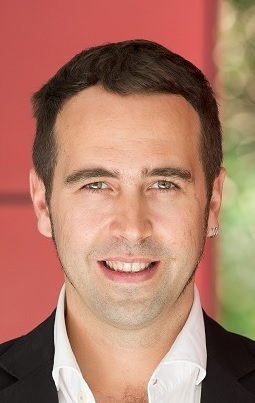 | Professor Antonio Verdejo-Garcia is a Professor (Research) in the School of Psychological Sciences and the Turner Institute for Brain and Mental Health at Monash University. He is also an NHMRC Leadership Fellow, and the Co-Chair of the Neuroscience Interest Group at the International Society of Addiction Medicine. He has an Adjunct Honorary Appointment in Turning Point (Eastern Health). Prof Verdejo-Garcia's research focuses on the cognitive and neural mechanisms underpinning executive control and decision-making, and their implications for substance and behavioural addictions, compulsive eating and obesity. Prof Verdejo-Garcia currently collaborates with MARC members on various projects, including: Linking clinical and basic science discovery to find new treatments for alcohol use disorder |
| Professor Marie Yap is a Professor and Psychologist with expertise in parenting and youth mental health. Her research interests in parenting are two-fold: 1) increasing our understanding of specific family processes and the mechanisms by which they influence young people's mental health; and 2) translating existing research evidence into credible, accessible resources for parents to help them reduce their child's risk of developing mental health problems. Prof Yap currently collaborates with MARC members on various projects, including: |
| A/Prof Bei Bei is an NHMRC Emerging Leadership (EL2) Fellow at the School of Psychological Sciences, Monash University, and leads the Behavioural Sleep Medicine service, research, and training at Monash University Healthy Sleep Clinic. Her research and clinical work focus on the individual differences in sleep-wake behaviours, the relationship between sleep and mental health, and making evidence-based psychological interventions for better sleep more widely available to the community. A/Prof Bei Bei currently collaborates with MARC researchers on various projects, including: |
 | Prof Adeel Razi is a Professor of Computational Neuroscience at the Turner Institute for Brain and Mental Health, School of Psychological Sciences, at Monash University, Australia, where he is the Director of the Computational Neuroscience Laboratory. He is a computational neuroscientist who uses both mathematical and experimental methods for his investigations. He leads a highly cross-disciplinary laboratory doing research combining engineering, physics, and machine-learning approaches to answer questions that are motivated by and grounded in neurobiology. Prof Razi currently collaborates with MARC researchers on various projects, including: |
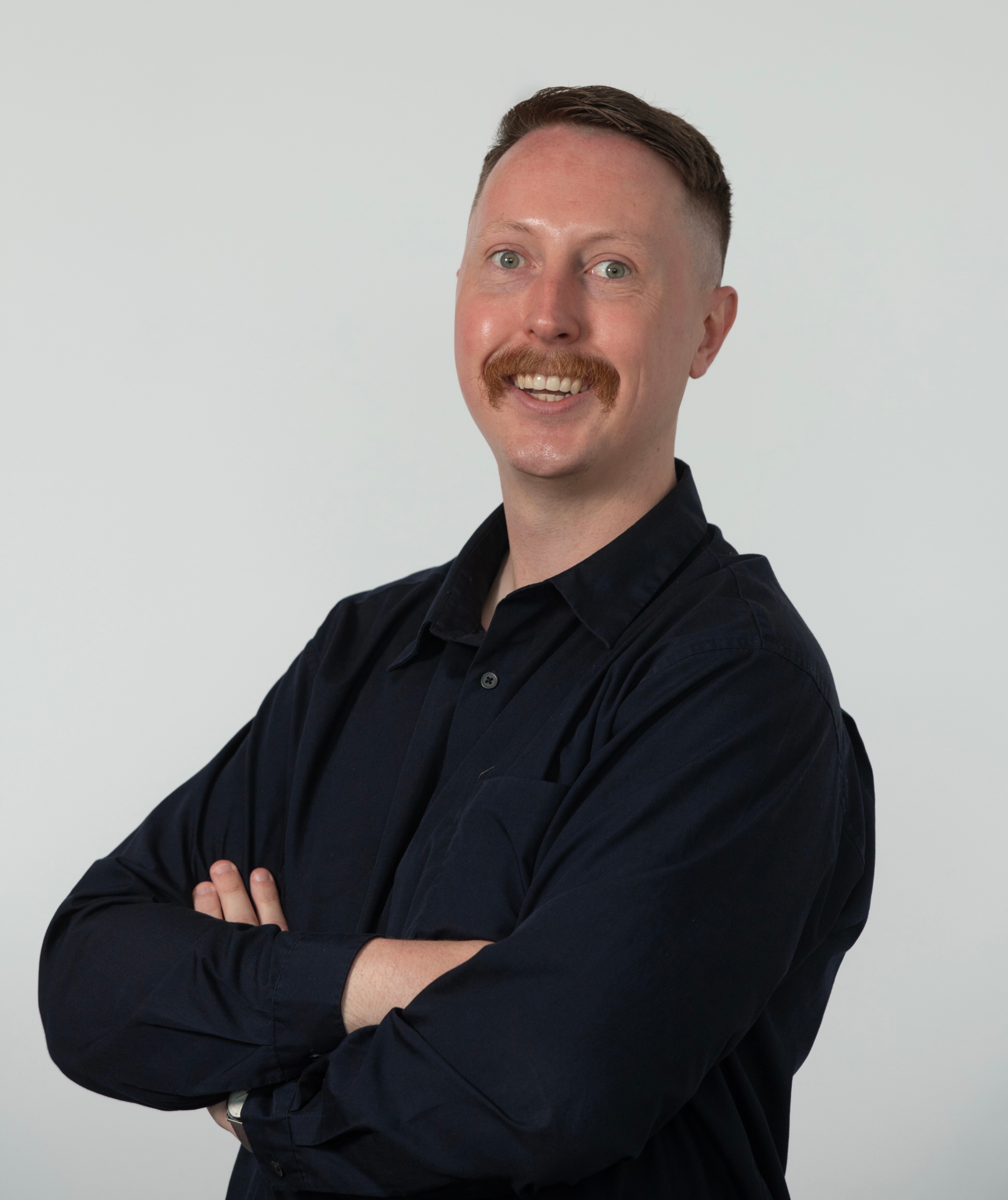 | Dr Dan Fehring is a Research Fellow at the Turner Institute for Brain and Mental Health. He leads the neurostimulation stream of the Addiction and Impulsivity Research Lab, where he pioneers research aimed at developing novel treatment protocols for substance use disorders. Dr Fehring's research career centres around understanding neurostimulation and its application to improve human health in the addiction and eating disorder space. |